Subjects
Grades
Roman culture was vast and elaborate during the Empire. Roman institutions and infrastructures were coveted by a number of civilisations in the Mediterranean basin who wanted to benefit from the advantages they offered. The Romans, convinced of the superiority of their system, were ready to impose it on the peoples conquered by the Empire. This obligation to adopt Roman culture is known as Romanisation.
Romanisation is the process by which Rome imposes its culture (Latin language, Roman religion, etc.) on the peoples inhabiting its territory.
The inhabitants of the newly conquered provinces were able to take part in the new activities brought by the Romans. They could trade, attend religious ceremonies and even take part in Roman public life. To benefit from these advantages, however, they had to use the Roman language, Latin. Latin spread rapidly throughout the Empire.
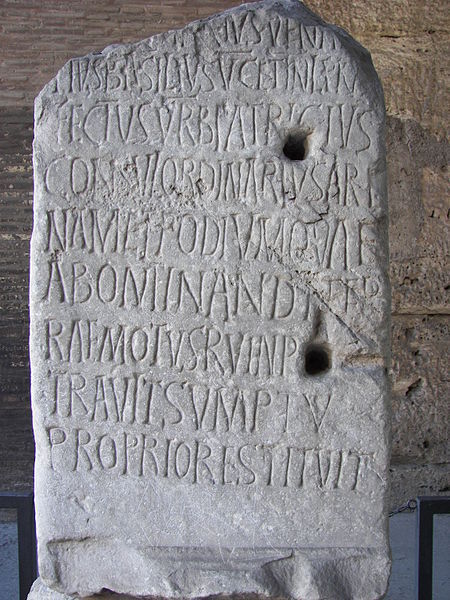
Latin inscription on the Colosseum in Rome
As soon as they had conquered a new territory, the Romans set about building specific infrastructures. These infrastructures played different roles. Some served simply to demonstrate the power of the Romans, while others were designed to improve living conditions for the region's inhabitants. Here is a list of Roman infrastructures that can be found throughout the Empire.
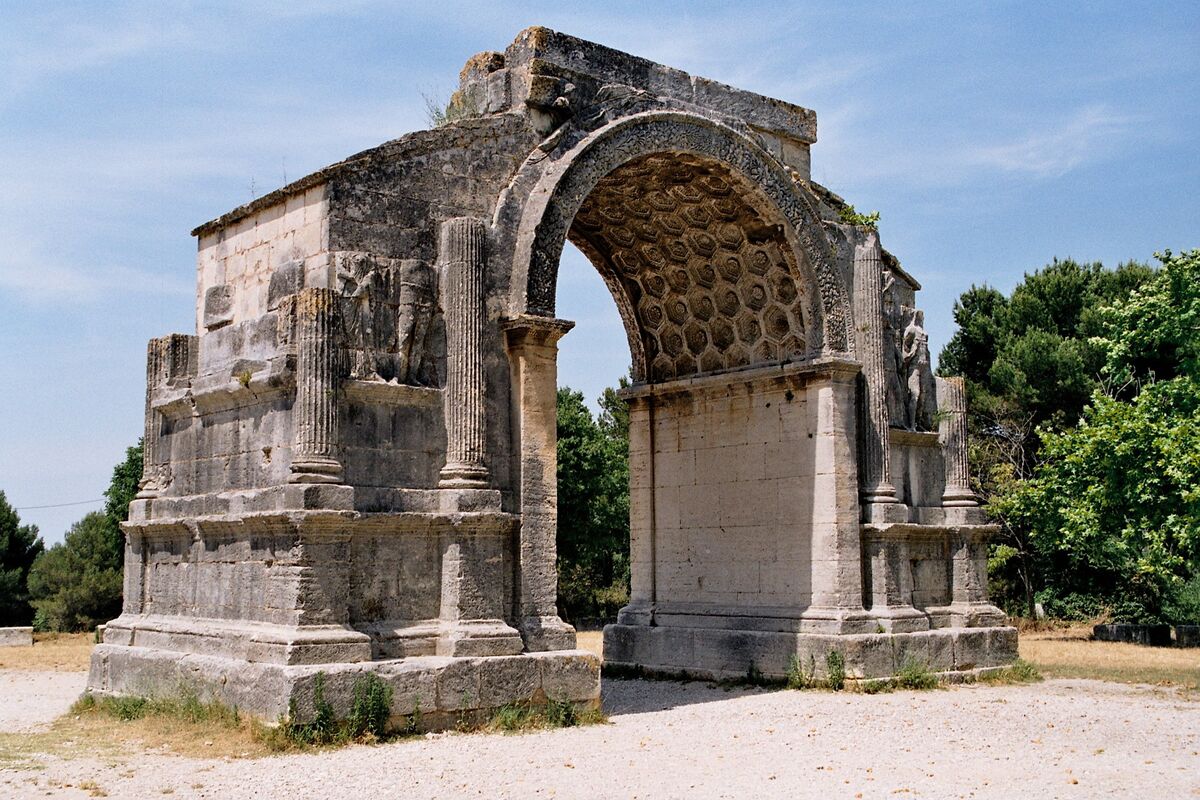
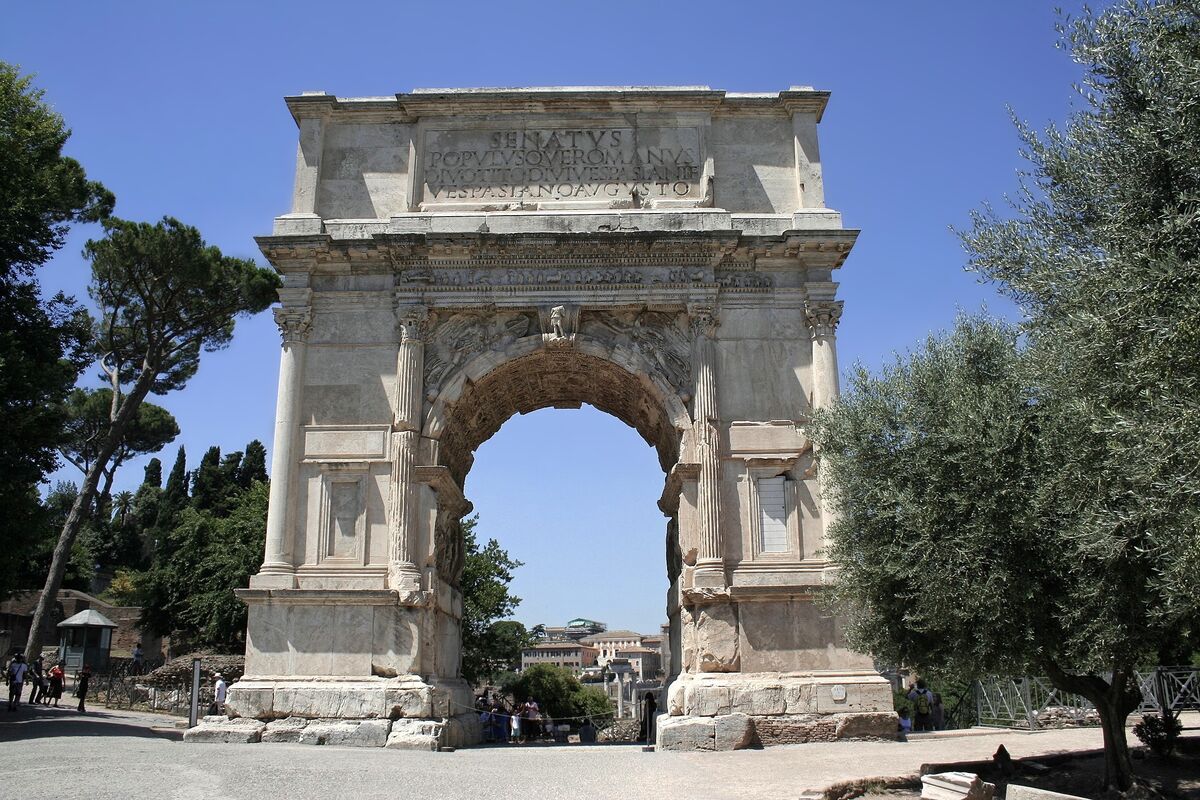
Triumphal arches are monuments built in honour of Roman generals who return to Rome victorious. Over time, arches were built in various places throughout the Empire to commemorate important events.
Originally, when a general returned from a victorious military campaign, he had to cross a temporary wooden structure built for the occasion. This structure was called a triumphal arch and had two purposes:
Over time, only the symbolic aspect of the victory remains.
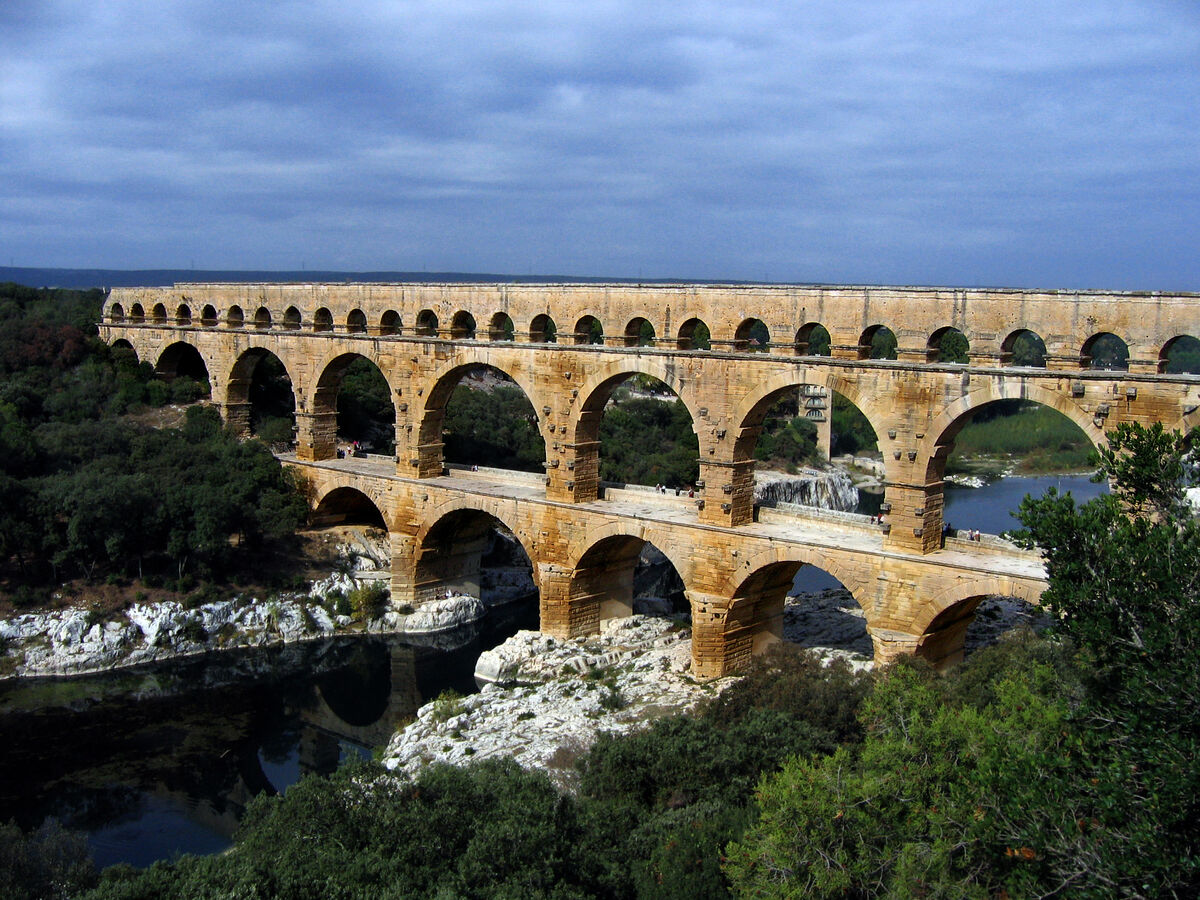
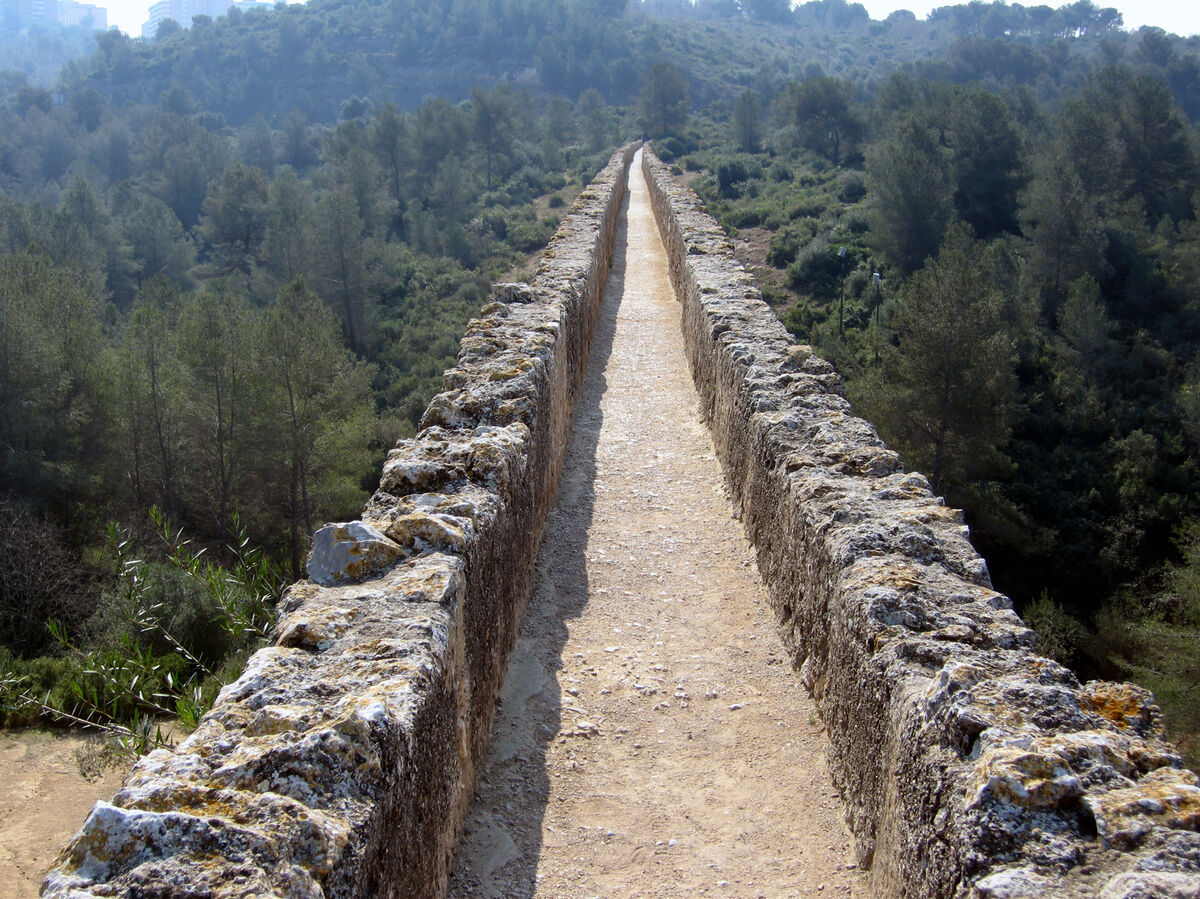
Aqueducts were built throughout the Roman Empire to carry drinking water to city centres. To cross obstacles such as mountains or ravines, the Romans built bridges and even tunnels to allow the water to reach its destination.
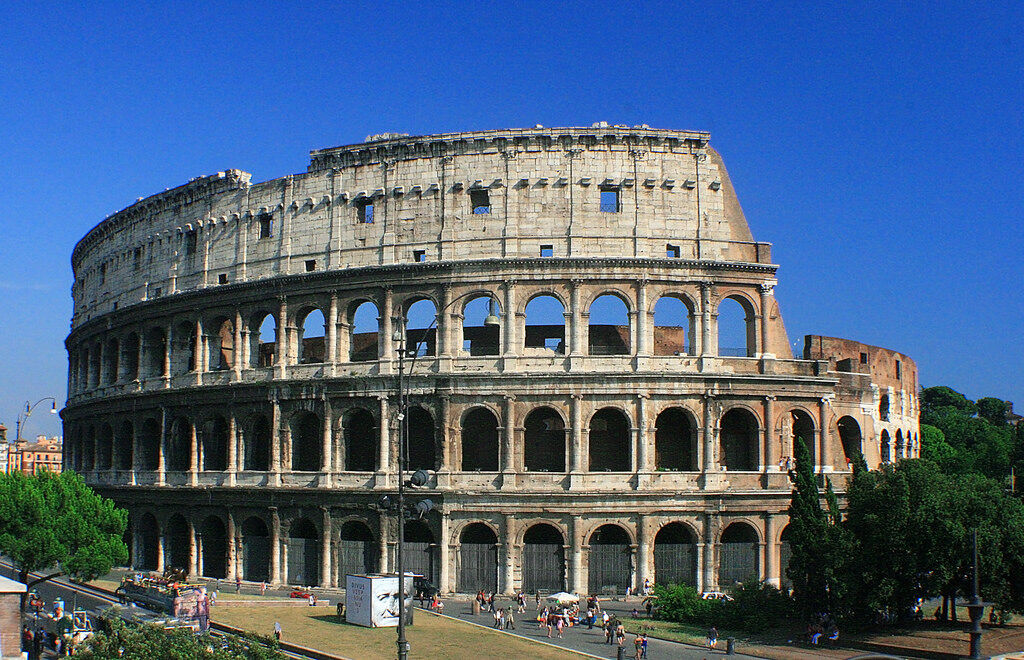
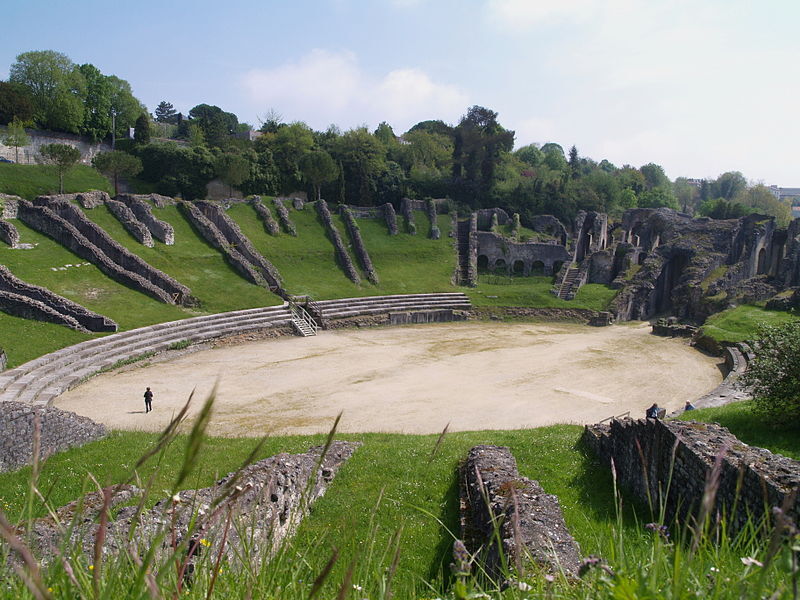
During the Roman Empire, entertainment was very much in vogue. Chariot races, plays and the famous gladiator fights were among the most popular spectacles. So the emperors had arenas and theatres built all over the land, leaving their mark on the city down the ages. Some of these buildings still stand today.
A particular feature of the Roman Empire was that the Romans did not reject the culture of the peoples they conquered. On the contrary, they were open to adding elements of the conquered peoples' culture to their own. This characteristic of Romanisation made it easier for the new peoples to adopt the Roman way of life. Religion, architecture and the arts were the areas most directly affected by these cultural additions.
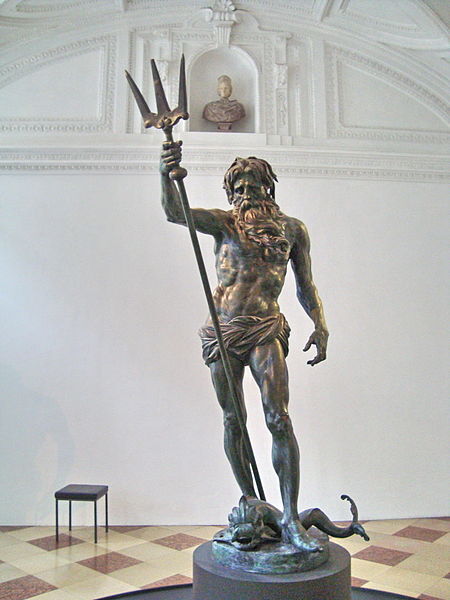
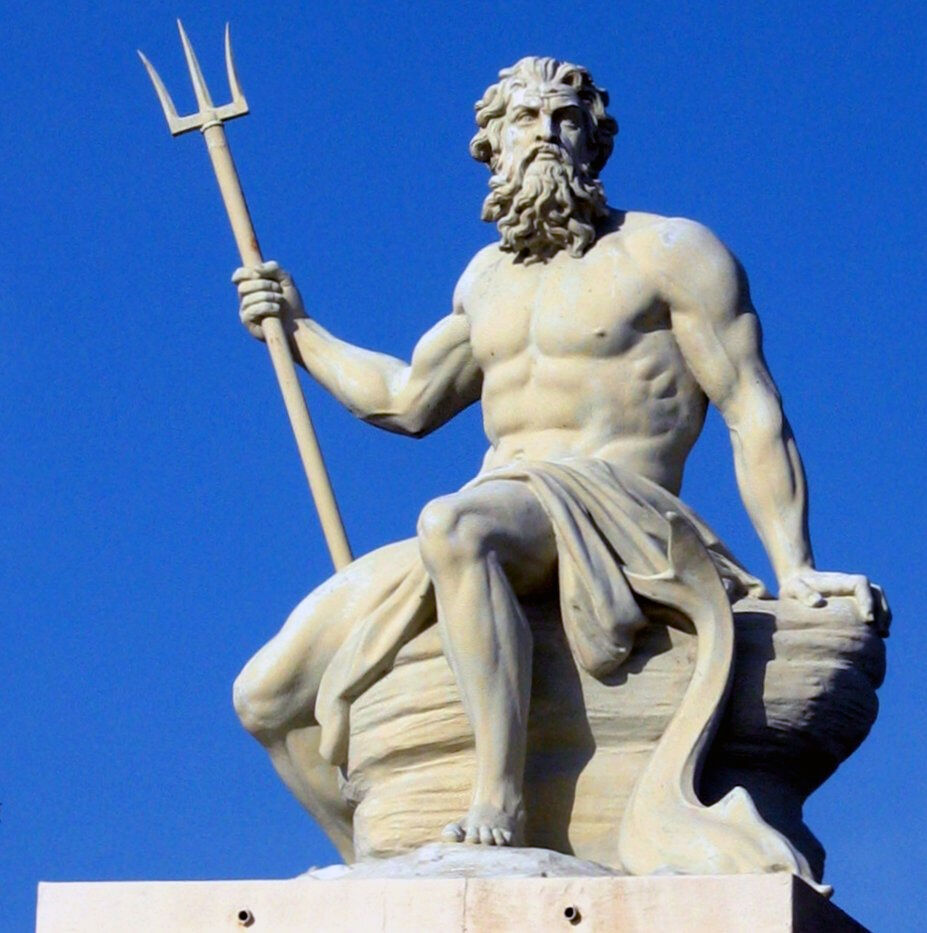
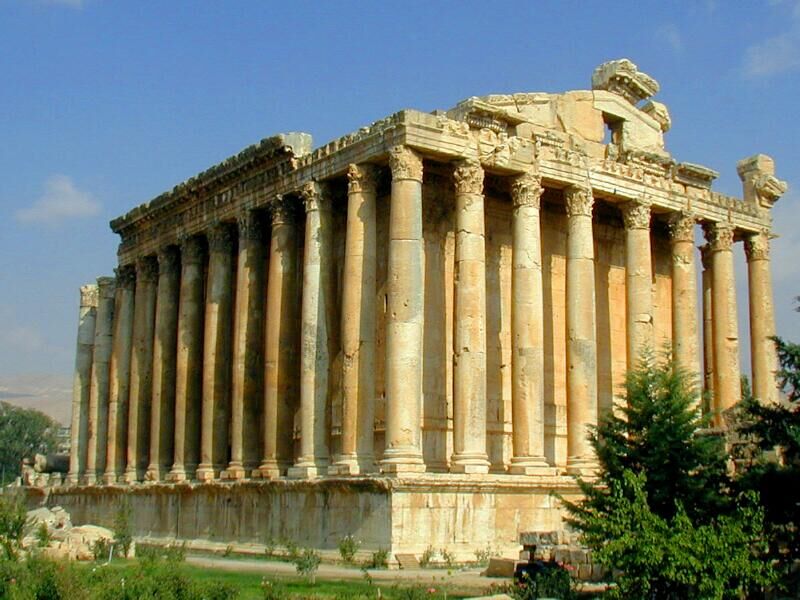
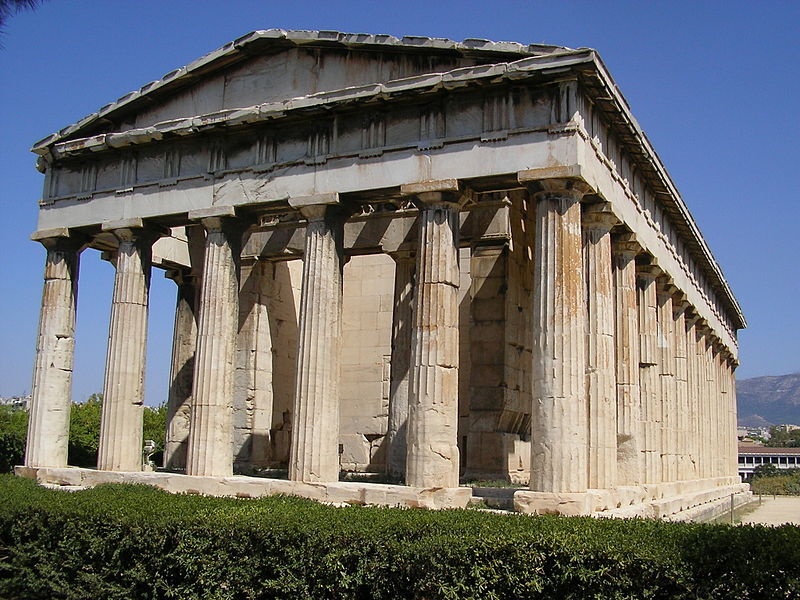
Roman religion and architecture are heavily influenced by Greek culture. The gods present in Greek religion are almost all to be found in Roman religion, albeit with different names. As for architecture, once again the Romans drew a great deal of inspiration from Greek architecture when they set about constructing memorable buildings.