Subjects
Grades
The plot is a series of events telling a story. These story events are sequenced and connected.
The story events are either the cause of the next event, or the effect of a previous event.
This happens because of that, and that is a result of this.
SuperGuyDude in: Here Kitty, Kitty, Kitty
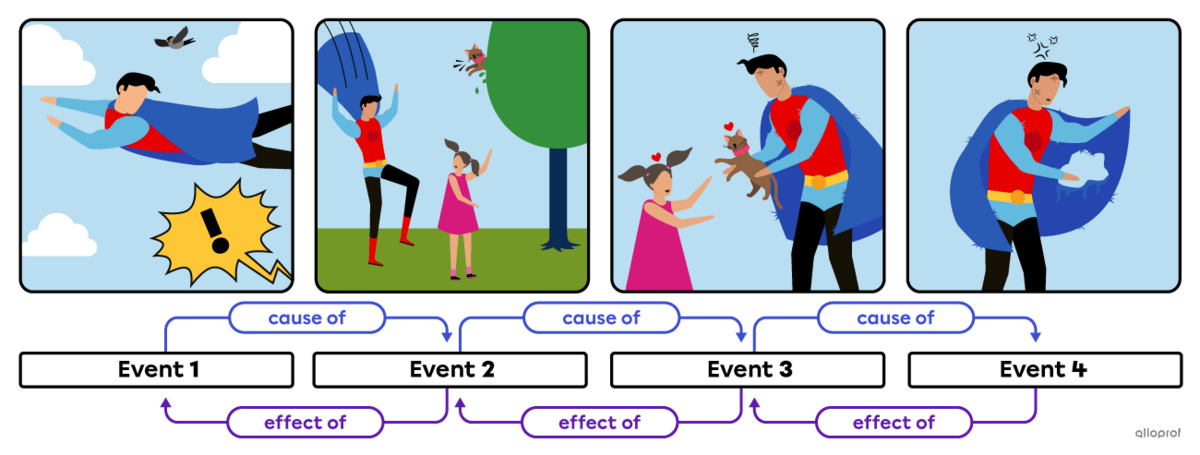
| Event 1 | SuperGuyDude was flying to work when he heard a cry for help. |
| Event 2 | A little girl was crying because her kitty cat was stuck in a tree. |
| Event 3 | SuperGuyDude got the cat out of the tree after a little struggle. |
| Event 4 | The struggle with the kitty cat left a mark or two. |
The plot generally contains 6 elements:
Visit the Plot Diagram concept sheet for more information.
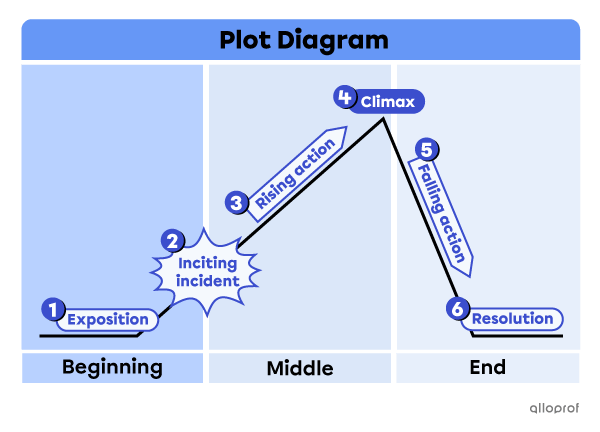
The exposition is the introduction of a story. It is a situation rather than an action.
It generally introduces the characters and the setting.
|
Characters |
the who |
People in the story |
|
Setting |
the where* |
The place, physical location |
|
the when* |
Time period |
|
|
the what* |
The context & situation |
*Not all stories necessarily contain all three.
Exposition with SuperGuyDude
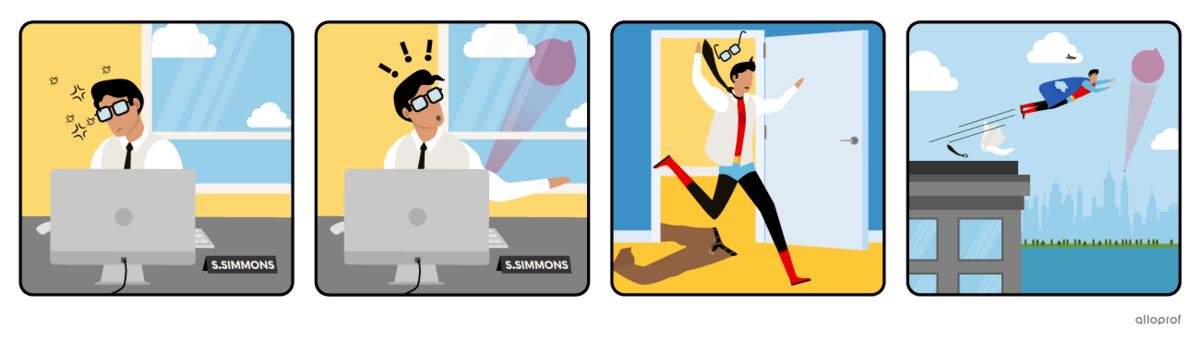
Mild-mannered Simon Simmons is actually the secret identity of the fantastic SuperGuyDude. He works a regular office job until the SuperGuyDude signal calls him to save the city.
Exposition with Literary Examples
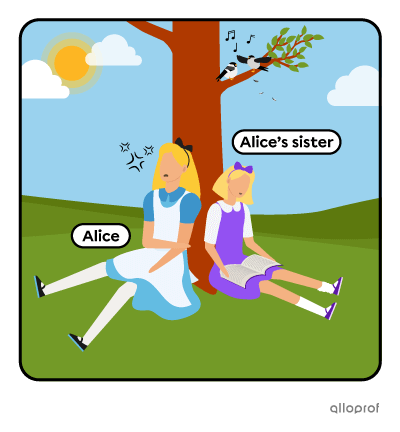
Alice’s Adventure in Wonderland
(Lewis, 1865)
| Characters |
| Alice (protagonist) |
| Alice’s younger sister (minor supporting character) |
| The white rabbit (supporting character) |
| Setting |
| Alice is bored and wants adventure |
| Begins in the real world |
| Moves into an imaginary world |
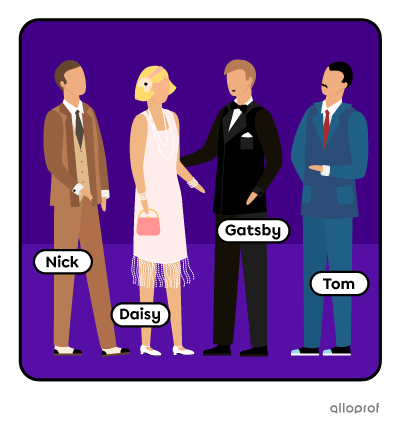
The Great Gatsby
(Fitzgerald, 1925)
| Characters |
| Nick Carraway (narrator) |
| Jay Gatsby (protagonist) |
| Daisy Buchanan (love interest) |
| Tom Buchanan (antagonist: Daisy’s husband) |
| Setting |
| Summer 1922, during the Roaring Twenties |
| Narrator just moved into the neighborhood, from the Midwest |
| Wealthy main characters |
| Lavish and opulent lifestyles |
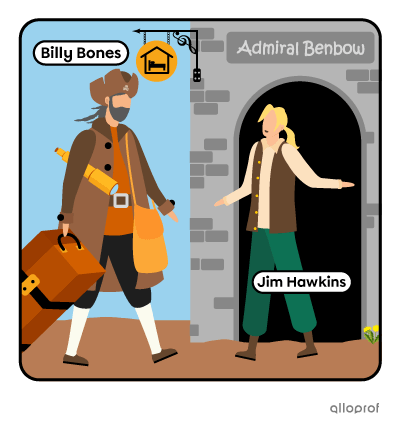
Treasure Island
(Stevenson, 1883)
| Characters |
| Jim Hawkins (narrator & protagonist) |
| Captain Billy Bones (catalyst) |
| Setting |
| Story told as a memoir |
| Coast of England |
| The Admiral Benbow Inn (workplace & home) |
| Time period of piracy and ship sailing |
The inciting incident is the event that sparks a conflict and leads to an adventure.
It forces the protagonists to take action, and leads them into a series of other events.
Inciting Incident with SuperGuyDude
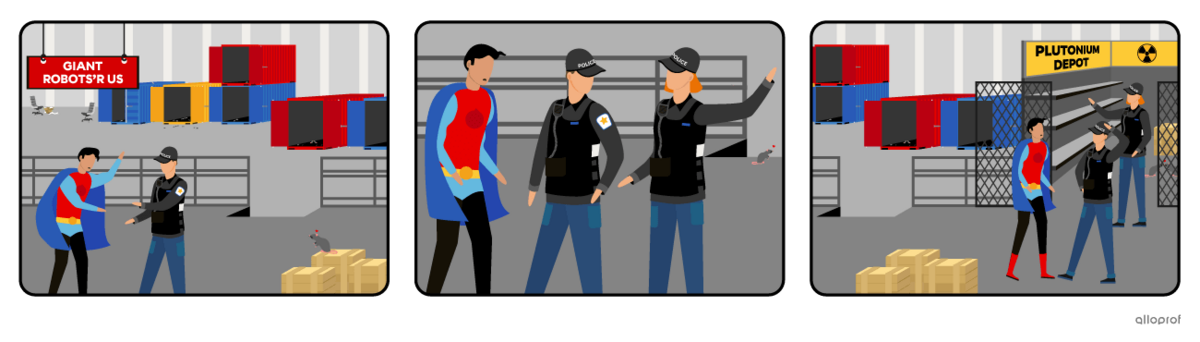
SuperGuyDude followed the signal to meet with the police and found out that giant robots and plutonium were stolen.
Inciting Incident with Literary Examples
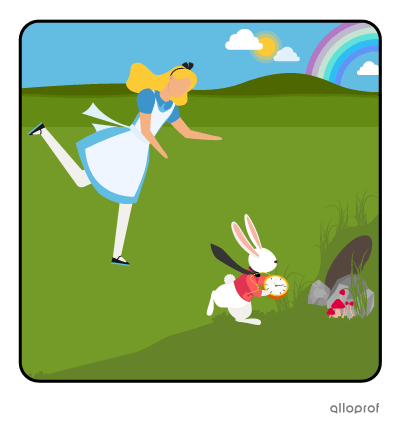
Alice’s Adventure in Wonderland
(Lewis, 1865)
Alice (protagonist) follows the rabbit down the proverbial rabbit hole. She then finds herself in a world that makes little sense.
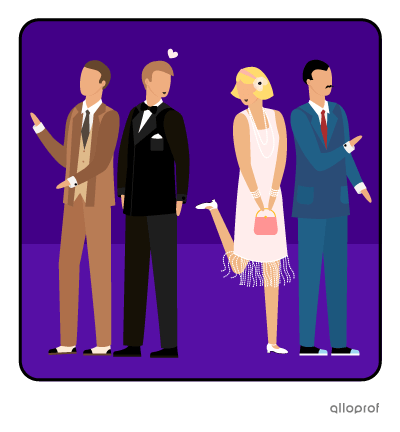
The Great Gatsby
(Fitzgerald, 1925)
Gatsby (protagonist) wants to reunite with his former lover, Daisy, who is now married.
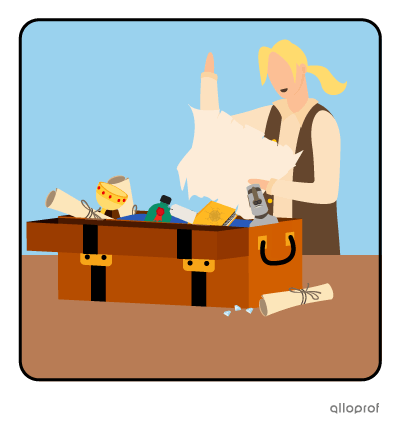
Treasure Island
(Stevenson, 1883)
Jim (protagonist) finds a treasure map in the deceased captain's old sea chest.
The rising action is the sequence of events and challenges leading up to the climax of the story.
Rising Action with SuperGuyDude
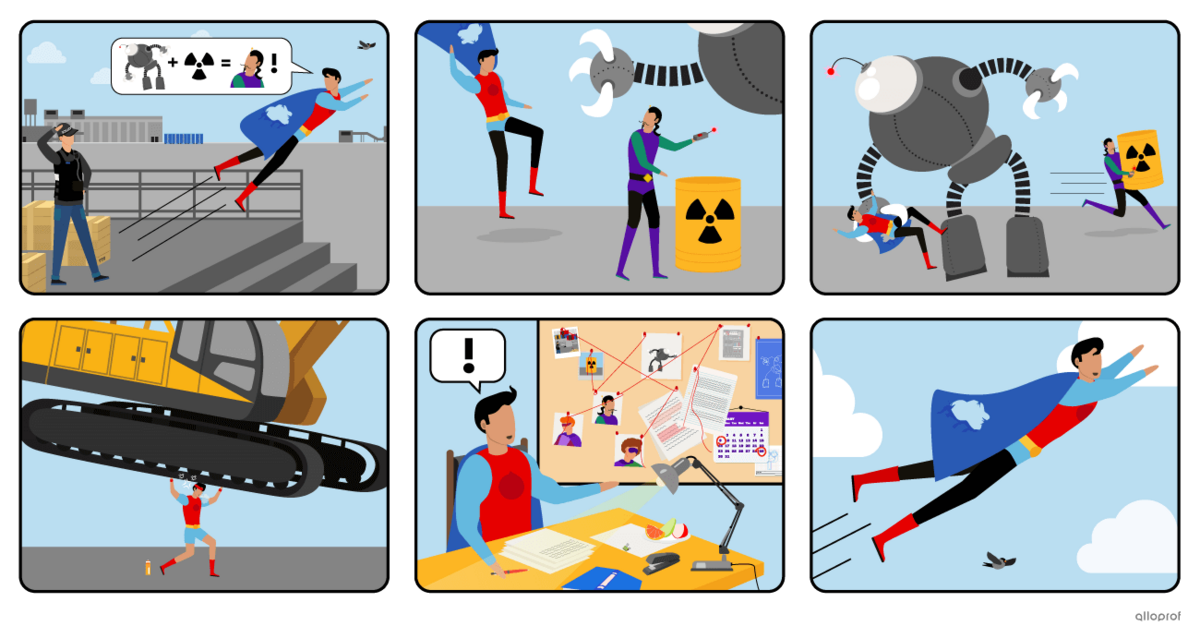
After looking at the crime scene:
SuperGuyDude figured out who was behind the theft.
He surprised and confronted Villainlad at his lair.
Villainlad thwarted the hero’s efforts with a giant robot, escaping with the plutonium to an unknown location.
SuperGuyDude worked out to be in better shape the next time he meets the nefarious Villainlad.
He investigates other recent crimes and finally finds a trail leading to Villainlad’s whereabouts.
SuperGuyDude flies off to find the villainous fiend and put a stop to his crimes.
Rising Action with Literary Examples
Alice’s Adventure in Wonderland (Lewis, 1865)
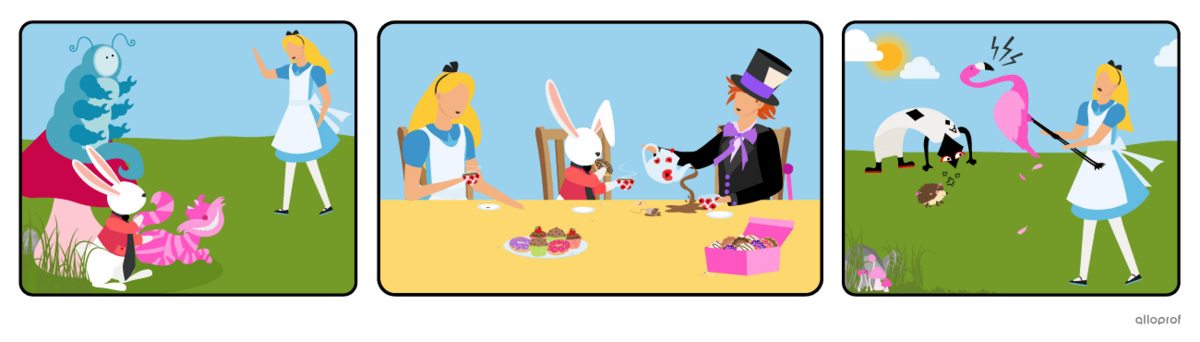
Alice journeyed into Wonderland:
She met interesting and weird characters.
She attended a peculiar tea party.
She played a curious game of croquet.
The Great Gatsby (Fitzgerald, 1925)
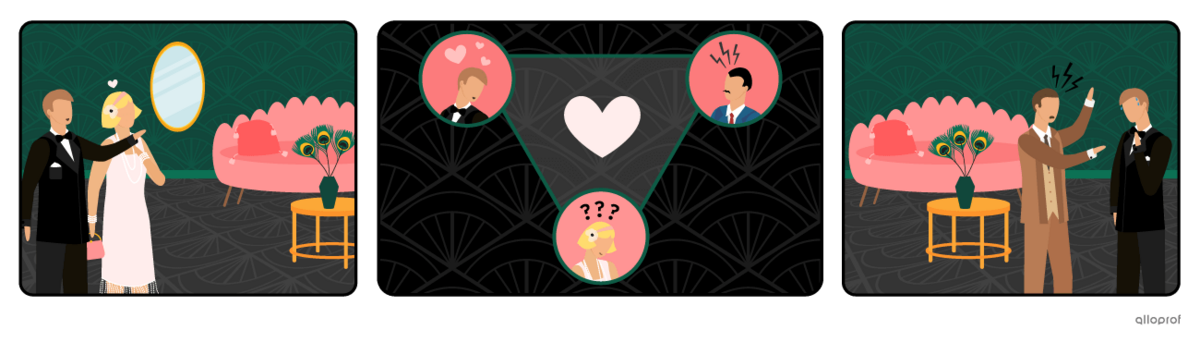
Gatsby’s relationship with the other characters is developed:
Gatsby displayed his wealth and status to Daisy to win her over.
It created a love triangle between a lovestruck Gatsby, an undecided Daisy and a jealous Tom.
Nick confronts Gatsby on his mysterious past and fortune.
Treasure Island (Stevenson, 1883)
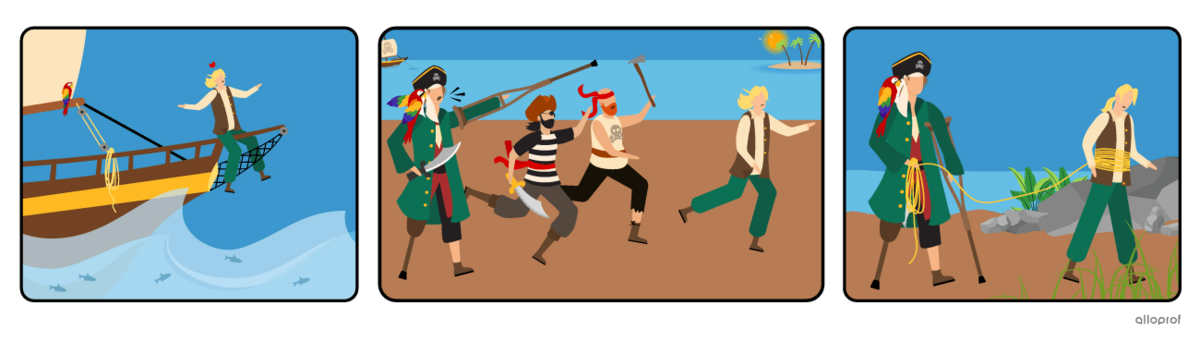
The map Jim found sent him on an adventure:
Jim joined a ship crew and set sail to find treasures.
A mutiny led by John Silver forced Jim to escape from the ship.
Jim was later caught and became a hostage of the pirate mutineers.
The climax is the ultimate turning point of the story.
It is the point where the tension, the excitement and stakes are at their highest.
Climax with SuperGuyDude
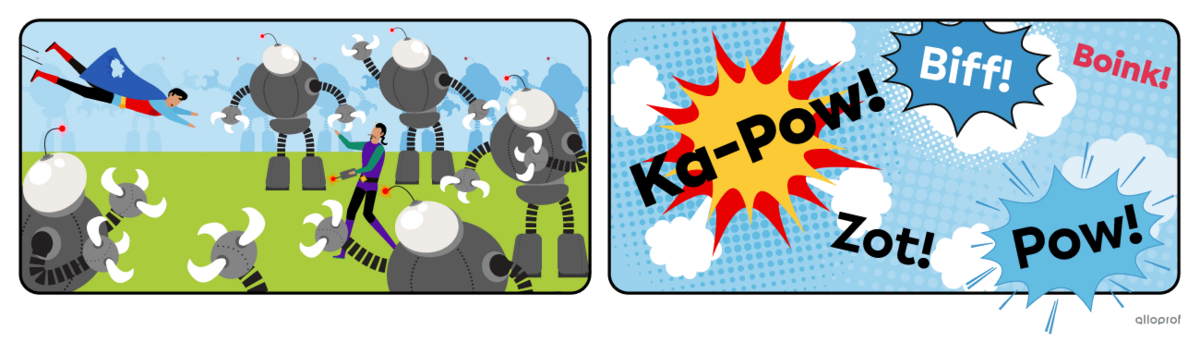
SuperGuyDude finds Villainlad with his remote controlled giant robot army for a final showdown!
Climax with Literary Examples
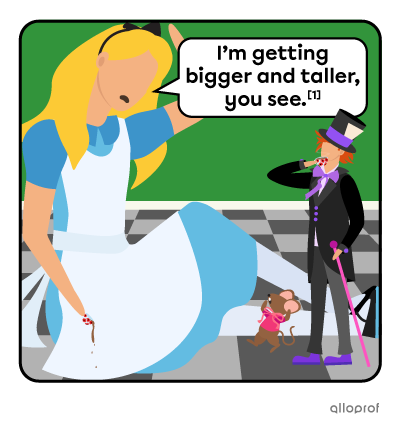
Alice’s Adventure in Wonderland
(Lewis, 1865)
Alice is growing back to her normal size because she begins to understand she has control over the events taking place in this imaginary world.
1 Carrol, Lewis (1865) Alice’s Adventure in Wonderland. Internet Archive, ebook, p68
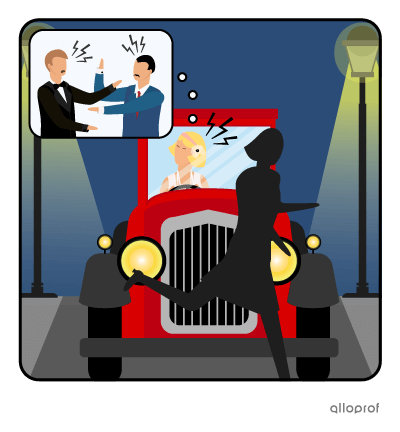
The Great Gatsby
(Fitzgerald, 1925)
After a heated confrontation, the characters drive back home and Daisy was involved in a hit and run, which killed a pedestrian.
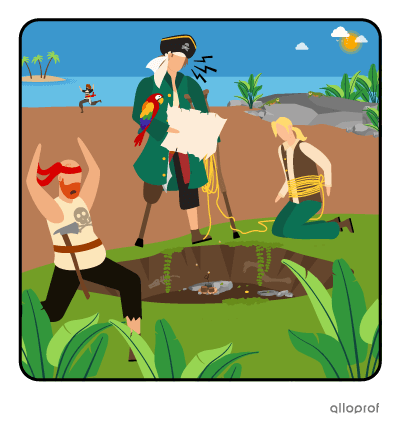
Treasure Island
(Stevenson, 1883)
The pirate mutineers arrive at the treasure location only to find it has already been taken.
The falling action is where the story begins to slow down.
It indicates the upcoming end of the story.
The sequence of events is generally very short.
The conflict may or may not be resolved.
Falling Action with SuperGuyDude
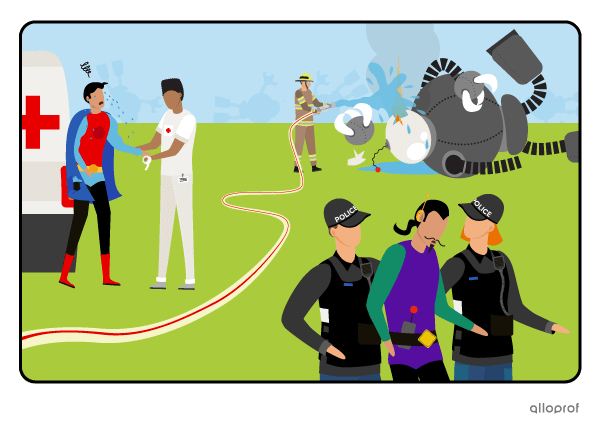
After the big climactic fight:
Falling Action with Literary Examples
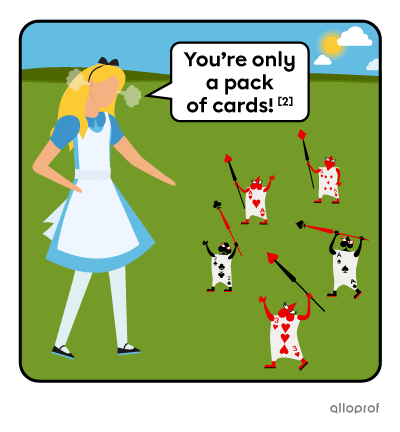
Alice’s Adventure in Wonderland
(Lewis, 1865)
Alice reaches her full size. She declares to the Queen and her guards that they are just that–cards. They turn into plain old playing cards and she wakes up.
2 Carrol, Lewis (1865) Alice’s Adventure in Wonderland. Internet Archive, ebook, p74
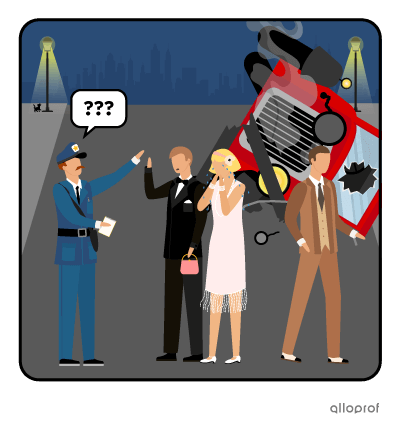
The Great Gatsby
(Fitzgerald, 1925)
After the car accident killing a pedestrian:
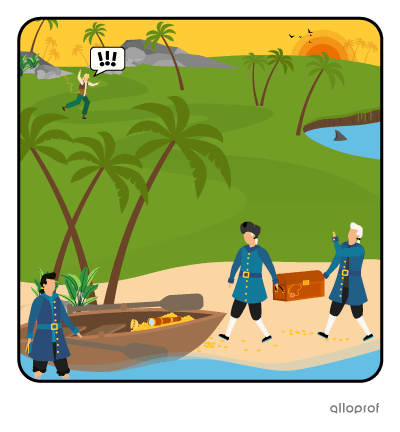
Treasure Island
(Stevenson, 1883)
After the pirates’ failure in finding the treasure:
The resolution is the conclusion of the story. It is also known as the denouement.
The resolution brings the story to a close.
The story events have affected the character and the setting, changing them into a new normal.
Resolution with SuperGuyDude

After defeating the bad guy and saving the day, SuperGuyDude takes a little time for himself and gets ready for his next adventure.
Resolution with Literary Examples
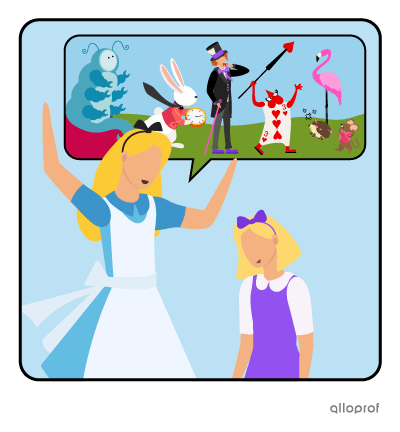
Alice’s Adventure in Wonderland
(Lewis, 1865)
After waking up, Alice told her sister all about the uncanny adventure she had in her dream.
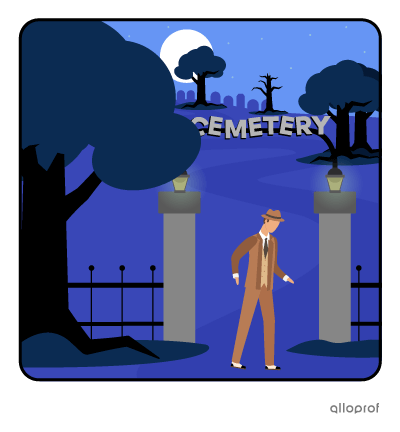
The Great Gatsby
(Fitzgerald, 1925)
Believed to be responsible for the death in the car accident, Gastby is shot and killed. Nick attends the funeral before moving back to the Midwest.
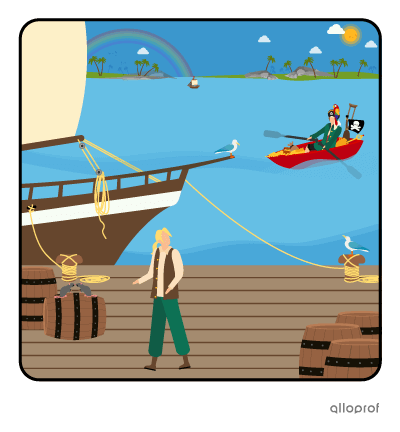
Treasure Island
(Stevenson, 1883)
The surviving crew returned to England, forever changed by their adventure. The pirate John Silver escaped with his share of the treasure, never to be seen again.
Techniques used to move the story along, enhancing the storytelling when properly used. For example:
| The MacGuffin | |
| An object several characters are trying to get their hands on. | The Excalibur sword in the Sword in the Stone legend (around 1200) |
| The One Ring in the The Lord of The Rings (Tolkien, 1954-1955) | |
| The flashback | |
| An interruption in the story’s chronology to relate a past event. | Frankenstein (Shelley, 1818) is told as a flashback through Captain Walton’s letters. The letters recall his meeting with Victor Frankenstein and the Creature. |
| The subplot | |
| A secondary storyline parallel to the main plot which has its own elements (rising action, climax, falling action, etc). | Romeo and Juliet (Shakespeare, 1597) shows the evolution of the rivalry between the Capulets and the Montagues alongside the teenagers’ love story. |
Visit the Literary Techniques & Devices concept sheet to learn more.
Stories tend to follow certain patterns. These patterns can be categorized into general plot types. For example:
| Overcoming the monster |
| The dinosaurs on a rampage in Jurassic Park (Circhton, 1990) are literal monsters. |
| The government system, Big Brother in 1984 (Orwell, 1949) is a metaphorical monster. |
| Rags to riches |
| The penniless Charlie ends up owning the chocolate factory in Charlie and the Chocolate Factory (Dahl, 1964). |
| The mistreated maid becomes a princess in Cinderella (folktale). |
Visit the Plot Types concept sheet to learn more. (coming soon)